
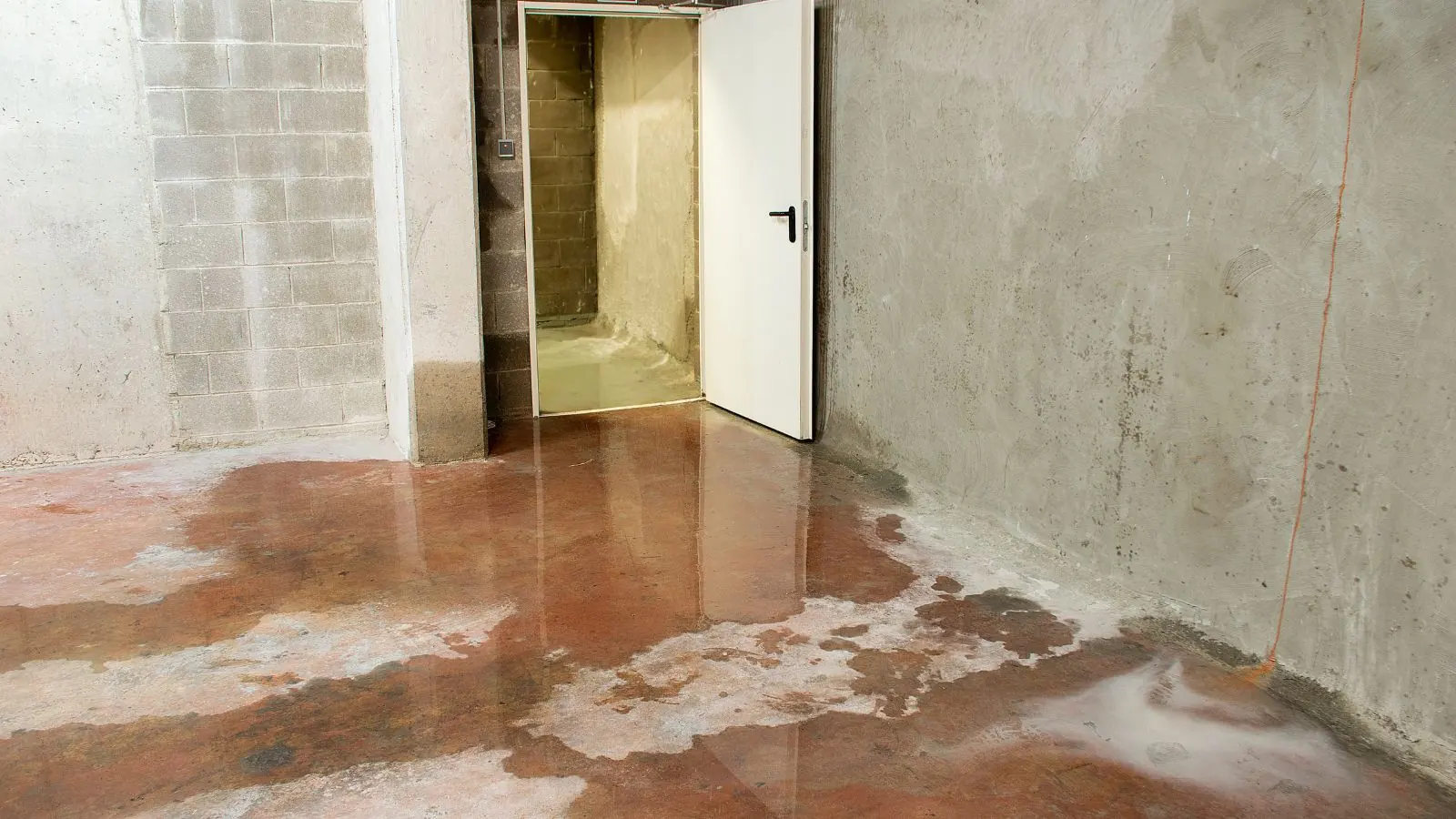
Basement water damage in Deerfield, IL is an emergency whenever the water is deep, still rising, or near electrical equipment. It also becomes one quickly when the basement is finished, since drywall, carpet, and stored belongings absorb water in hours. If your basement has water in it, stay out of it if outlets or the panel are wet, and call the 24/7 line.
Restoration is not waterproofing
Know what this service is
Cleanup removes water and damaged materials and dries the structure. It does not change how water gets into your basement in the future. If rain or groundwater keeps coming in, you will also need a drainage or waterproofing professional, and we will tell you that honestly instead of promising more than we do.
When basement water is an emergency
Treat basement water as an emergency when it is deep, still rising, or near the furnace, water heater, or electrical panel. Stay out, call the utility or 911 if power is involved, and call our 24/7 line.
Common ways basements flood
Basement water shows up in a few distinct ways, and the cause shapes the cleanup.
- Sump pump failure. The pump stops, the pit overflows, and groundwater spreads across the floor. Cleanup is about the overflow water, not the pump.
- Rain and seepage. Water pushes in through cracks, floor joints, or window wells during heavy rain.
- Sewer backup. Water comes up through floor drains, which is a contamination case covered on sewage backup cleanup.
- Plumbing and appliance leaks. A failed supply line, water heater, or washer above or beside the basement floods it from inside.
- Window well or door intrusion. Surface water finds its way over a threshold.
Where basement water actually goes
In a finished basement, water gets behind baseboards and into the lower wall cavity, then wicks upward into the drywall. Carpet pad holds it and keeps the concrete under it damp. Insulation against the foundation wall can keep a wall wet for weeks. In an unfinished basement, the problem is usually the stored items and the concrete itself, which stays damp and holds odors.
Moisture meters, thermal imaging, and a hard look at what is stored on the floor tell us the real scope. A basement that looks mostly dry can have wet drywall hidden behind paneling or shelving.
What cleanup looks like
- Safety firstThe crew checks for electrical hazards and the water category.
- Pump out the waterPumps and extraction units remove standing water, as described on the extraction page.
- Remove what cannot dryWet carpet, pad, insulation, and low drywall are removed, especially if the water was unclean.
- Clean and treatConcrete and framing are cleaned, and surfaces are treated before the area is closed.
- Dry and verifyDehumidifiers and air movers run until readings are normal. See structural drying.
Finished vs unfinished basements
| Basement type | Main risks | Typical focus |
|---|---|---|
| --- | --- | --- |
| Unfinished | Stored items, odor, damp concrete | Extraction, removal of wet stored items, cleaning, dehumidifying |
| Finished with carpet | Soaked pad, wicking drywall, mold risk | Remove pad, dry or replace carpet, cut drywall above the wet line |
| Finished with hard floors | Water under flooring | Moisture readings, lift flooring, dry subfloor |
| Walkout or daylight | Water through glass doors | Door seals, floors near openings |
Why basements in Deerfield deserve a plan
The Village of Deerfield reported flooding along the West and Middle Forks of the North Branch of the Chicago River in April 2013, and after heavy rain some homeowners find basement water even when no river is involved.
The Village's Public Works office at 847-317-7245 and Engineering at 847-317-2490 can answer questions about street drainage and storm sewers. A battery backup on a sump pump and a check of your floor drain are practical steps that cost little compared with a flooded finished basement.
A mold warning belongs here as well. A basement that stays damp for more than a day or two can grow mold on drywall, wood, and stored cardboard, and the mold remediation page explains what happens if it does.
Scope, price, and insurance
Scope and price are explained before work starts. They depend on:
- Water source and category. Seepage, sump overflow, and sewer water are handled differently.
- Finished area. Carpet, drywall, and built-ins add scope.
- Depth and duration. Standing water for days means more removal.
- Stored belongings. Salvage and disposal take time.
- Drying time. Cool, damp basements dry slowly.
Insurance for basement water varies by source. Sudden water from a plumbing failure is often covered, flood and groundwater usually need separate coverage, and sewer backup is sometimes covered only with an endorsement. Ask your insurer about the specific source and photograph everything before cleanup.
Safety and standards
Stay out of a basement with standing water if the panel, furnace, or water heater is in the water. Call your utility or 911 for power hazards. Extraction and drying follow the principles of ANSI/IICRC S500.
Water in the basement right now? Call and we will help you decide what to do first.
☎ (833) 521-1033Service area
We serve Deerfield and nearby towns, including Lincolnshire, Highwood, and Techny. For outdoor water that has risen across a lot, see flood damage cleanup.
Yes. The line is open 24/7, including during heavy rain when basement calls pile up.
No. We clean up and dry. For a recurring problem, a drainage or waterproofing company is the right call, and we are glad to tell you what we see so it is easier to scope.
Sometimes, if the water was clean, and the carpet is extracted and dried quickly. If the water was unclean or the pad stayed wet, removal is usually the safer choice.
A musty smell usually means moisture is still present somewhere. Drying readings and a look inside wall cavities find it.
Frequently asked questions
Do you handle basement flooding emergencies at night or on weekends in Deerfield?
Will you waterproof my basement?
Can I save my finished basement carpet?
What if the basement smells musty after cleanup?
Is a damp basement the same as a flooded one?
Not necessarily, but ongoing dampness can cause mold and odors. If you see standing water or wet drywall, call.
Wet basement in Deerfield? Call (833) 521-1033, answered 24/7.
☎ (833) 521-1033