
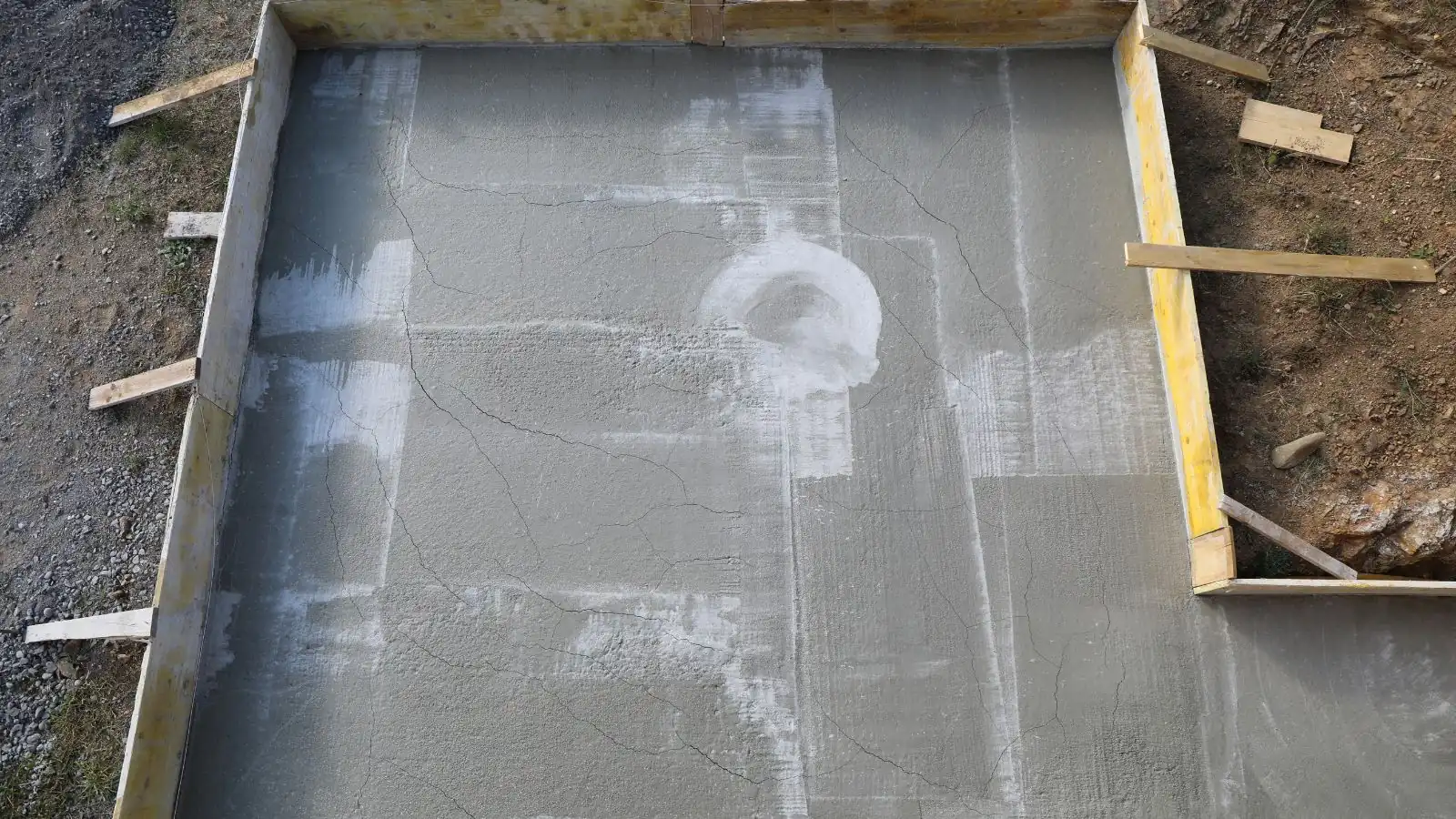
A slab leak can run unseen for weeks, but once water shows on the floor it is urgent. Shut off the main water valve, keep out of wet areas near outlets, and call our 24/7 line in Deerfield, IL so drying can be planned.
Slab leak water damage in Deerfield, IL starts below your feet. A supply line that runs under or inside a concrete floor can crack and leak, and the water finds its way up through joints, seams, and flooring. If you see water coming up through the floor, close the main water valve and call us. Our line is open 24/7, and water that spreads under flooring does damage you cannot see.
A plumber locates and repairs the line. We handle the wet flooring, the damp walls, and the drying afterward.
What it looks like when water is under the floor
Slab leaks are not obvious until water shows itself, so most people notice a symptom first:
- A warm or hot spot on a floor that should be cool, which can point to a hot water line.
- The sound of running water when every fixture is off.
- A water bill that jumps without a change in use.
- Flooring that is wet, stained, or lifting with no source above it.
- Baseboards that darken or swell along one wall.
- A musty smell that returns after cleaning.
If several of these are true, close the main valve and see whether the meter still moves, then call a plumber for leak detection. Call us at the same time if water is already on the floor.
When a slab leak is an emergency
Water pooling on a floor, a floor that feels warm, or a meter that keeps running with everything off is urgent. Shut off the main, stay out of wet areas near outlets, and call our 24/7 line.
Does my home have a slab
A slab leak needs a slab. In a house with a basement, the main floor sits on framing over the basement, not directly on concrete. Slab-on-grade floors are more likely in additions, garages, and some townhomes and newer builds.
We have no local statistic on how common slab leaks are here, and we will not guess at one. What matters is your own house: if a water line runs in concrete under your living space, this page applies. If your leak is under a basement floor, the concrete there can hide moisture just as well.
Why drying a slab leak takes a different plan
Water from a slab leak comes up under flooring and spreads sideways between the concrete and whatever covers it. Hardwood, laminate, vinyl, and carpet all trap that moisture. The surface may feel dry long before the layer underneath is.
The crew uses moisture meters on the floor surface and the concrete, plus thermal imaging to follow the dampness. Depending on the flooring, drying can involve lifting a section of floor, running air under it with drying mats or equipment, and watching readings drop over several days. See structural drying for the equipment, and hardwood floor water damage for how wood floors behave.
What happens in what order
- Stop the waterClose the main valve so the line stops feeding the leak.
- Plumber finds the lineLeak detection locates the break, and the repair may involve opening the slab or rerouting the line.
- Water removal and flooring decisionsWe extract surface water and test the flooring, deciding what lifts and what dries in place.
- Dry and monitorEquipment runs until concrete and subfloor readings return to normal.
- RebuildFlooring, baseboards, and finishes go back after the structure is dry.
Scope, price, and insurance
Scope and price are explained before work starts, and for slab leaks they turn on:
- How long the leak ran. A leak noticed through a water bill may have run for weeks.
- Flooring type. Wood and laminate over concrete are harder to dry than tile.
- Area affected. Water spreads under flooring farther than the visible stain.
- Access for repair. The plumber's access to the line can mean opening floors and walls.
- Drying days. Concrete holds moisture a long time, which extends equipment days.
Insurance treats slab leaks differently from sudden pipe breaks, and many policies have specific language about foundation and slab leaks. Read the wording or ask your insurer before the repair so the plumber's findings and your photos support the claim.
Safety and standards
A warm or wet floor can hide a hot water line, so keep bare feet off it and shut off the main. A plumber locates the line. Drying of the slab area follows the principles of ANSI/IICRC S500.
Water coming up through the floor? Call now and shut the main off while you wait.
☎ (833) 521-1033Related pages and service area
Water that reaches walls is covered on the wall and drywall page, and if the leak is one of several signs of a failing supply line, the burst pipe page describes the cleanup. We dispatch to Deerfield and to Lake Forest, Highwood, and the rest of the nearby North Shore towns.
Yes. The line is open 24/7. If water is surfacing at 3 a.m., call, shut the main off, and we will talk through the next steps.
Locating the break is a plumbing task that often uses acoustic or thermal tools. We find where the water went, not where the pipe broke, and we work with your plumber.
Not always. Readings decide it. Some floors can be dried with air forced under them, and others need sections lifted.
Frequently asked questions
Do you handle slab leak emergencies at night or on weekends in Deerfield?
Can you find the leak?
Do I have to tear up my floor?
How long does drying take after a slab leak?
Concrete holds moisture for a long time, so it can be several days. We verify with meter readings, not by the calendar.
Slab leak damage in Deerfield? Call (833) 521-1033, answered 24/7.
☎ (833) 521-1033