
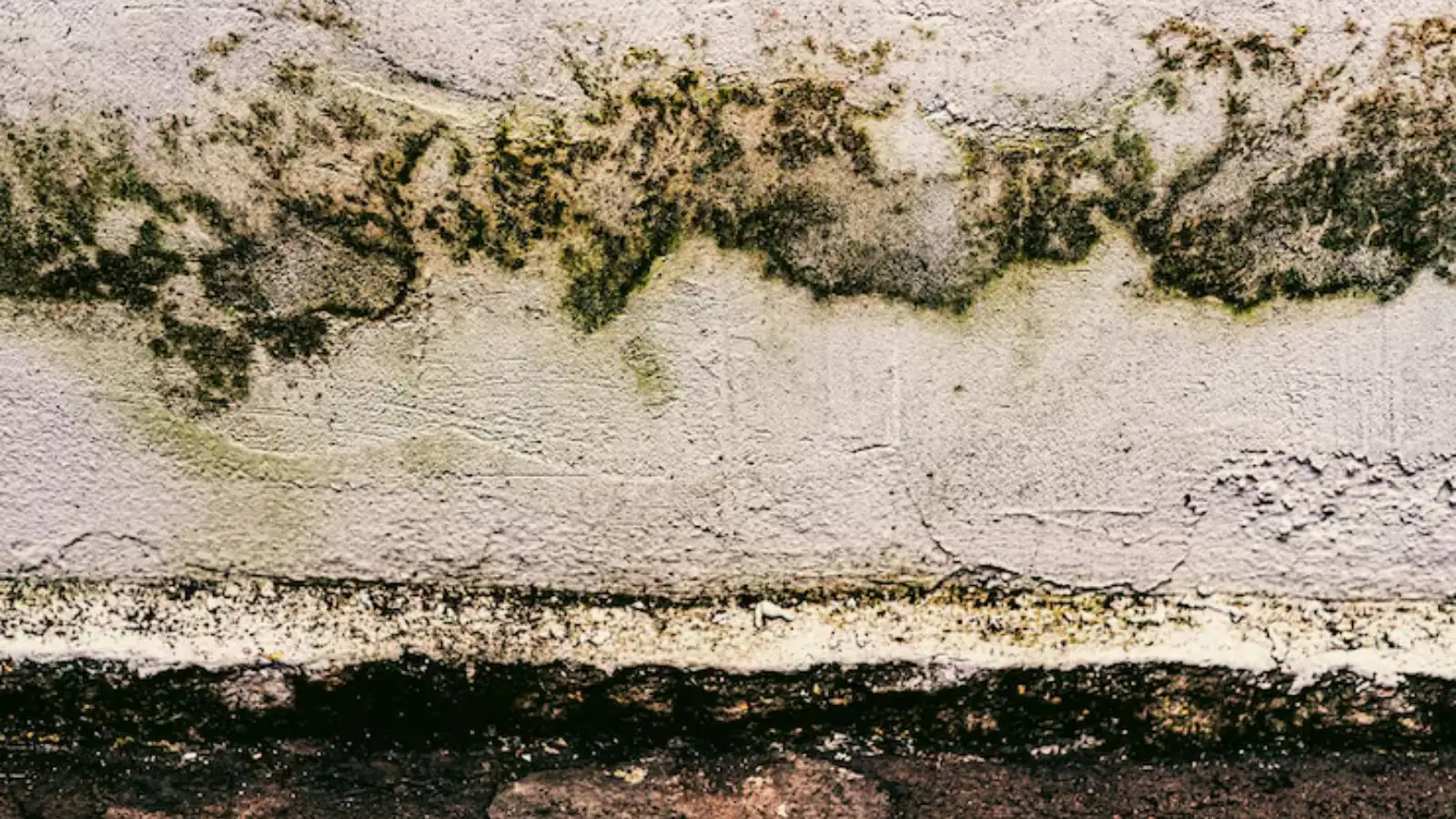
Mold needs moisture, a food source, and time. Water damage supplies all three, which is why mold so often shows up in the weeks after a leak, a flood, or a basement seep.
If you see dark growth, smell a musty odor that will not go away, or found mold behind a wall you opened, call for mold remediation in Deerfield, IL on our 24/7 line. We handle mold that follows water damage, and we start by finding the water that feeds it.
Remediation is not just cleaning
Wiping mold with a household cleaner can remove what you see and leave what you do not. Mold grows into porous materials like drywall paper, carpet backing, and wood, and spores spread through the air when growth is disturbed. Professional remediation follows the ANSI/IICRC S520 standard for mold remediation, which sets out how to assess, contain, remove, and verify. You can ask any company whether it works to that standard.
Where mold shows up after water damage
- Behind baseboards and in the lower part of walls.
- On the back of carpet and under pad.
- Inside cabinets and under sinks.
- On basement walls, joists, and stored boxes.
- In crawl spaces on insulation and framing.
- Around ceilings below roof or bathroom leaks.
The musty smell is often the first sign, and it can be strong in a closed basement or a closet with a wet wall behind it. Our guides on basement water damage and crawl space water damage cover the places it is most common.
The remediation process
- AssessThe crew looks for growth and for the moisture source, using meters and a visual inspection.
- ContainPlastic barriers and negative air keep spores from spreading to clean rooms.
- RemoveAffected porous materials, such as drywall and carpet, are cut out and bagged. Hard surfaces are cleaned.
- Clean the airHEPA filtration captures airborne particles during and after removal.
- DryThe area is dried as covered under structural drying, because mold returns to a damp space.
- VerifyReadings and a visual check confirm the work is complete.
What matters most: the moisture
Mold that returns is almost always a moisture problem that was never fixed. A plumber must repair the leak, a landscaper or contractor may need to address drainage, and a damp crawl space may need ventilation or a vapor barrier. Remediation without source control is temporary. A good assessment lists what is causing the moisture along with what is growing.
Testing and clearance
Some homeowners ask for air tests. Some want a third party to confirm the job is done. Both are reasonable questions. Testing results depend on how, when, and where samples are taken, and they are easy to misread.
If you want independent clearance, ask for it from a separate testing professional so the company doing the removal is not grading its own work. A lender, buyer, or insurer may specify what they need, so ask them first.
Illinois rules to know about
Illinois has a Mold Remediation Registration Act administered by the Illinois Department of Public Health. We do not make claims about specific licenses or certifications on this page, and the safest step is to ask any company you hire what registration or certification applies to the work, and to ask the state for current requirements. Rules change, and the agency has the current version.
Mold, health, and what to ask a doctor
Mold can bother people with allergies and asthma. For any health question, including symptoms and risks for a child, an older adult, or someone with a lung condition, talk to a physician. We cannot diagnose and do not claim that mold causes a specific condition.
Mold and water damage claims
Whether insurance pays for mold depends heavily on the cause. Many policies cover mold that follows a covered sudden water loss and exclude mold from long-term seepage or neglect, and some limit mold coverage by dollar amount. Read the policy language and ask your insurer. Photograph the growth before removal and keep any inspection or moisture reports.
Scope, price, and what changes it
Scope and price are explained before work starts. They depend on:
- Area affected. A small patch behind a baseboard and a whole basement are different jobs.
- Materials. Porous materials are removed. Wood framing may be cleaned.
- Containment. Occupied homes need barriers and air filtration.
- Moisture source. Drying and source repair are part of the plan.
- Rebuild. Replacing drywall, flooring, and trim is separate construction work.
Seeing mold or smelling it? Call and describe where, and we will explain what to expect.
☎ (833) 521-1033Service area
We serve Deerfield and nearby towns, including Lake Forest, Lincolnshire, and Highwood.
Mildew usually sits on the surface and wipes off, while mold can grow into materials. Either one means moisture is present.
Bleach on porous materials can leave growth behind and does nothing about the moisture. For anything beyond a small patch on a hard surface, professional removal is the safer path.
Possibly. Buyers and lenders often want documentation that the problem was addressed. Ask them what they require, and ask us for the records of what was removed and dried.
It depends on the scope. For larger jobs with containment, the crew will explain what to expect. For health concerns, talk to a physician.
Frequently asked questions
Is it mold or mildew?
Can I just bleach it?
Will mold remediation be needed if I am selling my home or a lender asks about it?
Do I need to leave the house?
How do I stop mold from coming back?
Fix the moisture source and keep the space dry. Remediation without that is temporary.
Mold after water damage in Deerfield? Call (833) 521-1033, answered 24/7.
☎ (833) 521-1033