
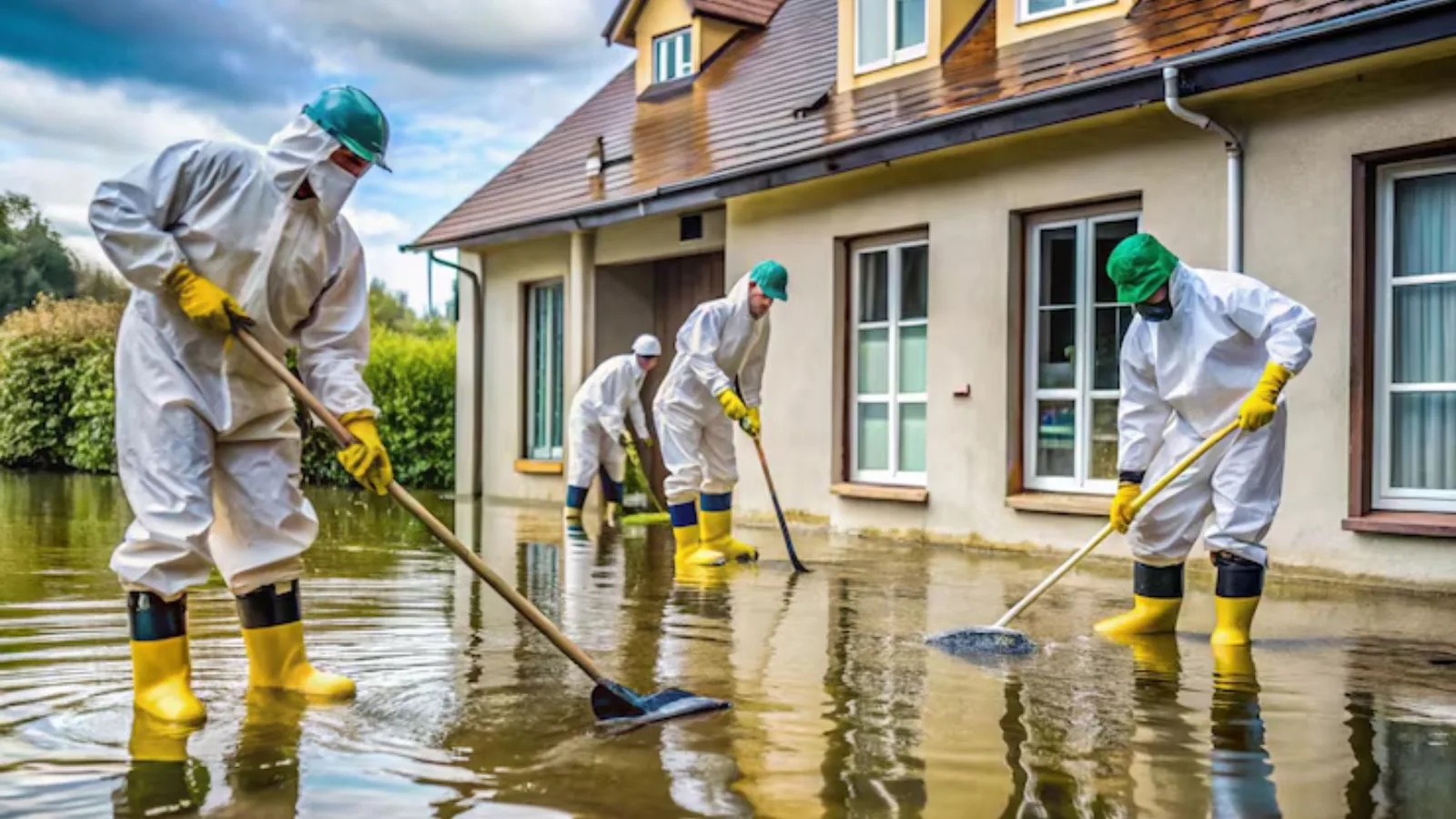
After water damage, you face a long pile of decisions: this couch, that box of books, the rug, the mattress, the files. Some things can be cleaned and kept, and some are better gone.
Throw out too early, and you lose items an insurer might have covered. Keep too much, and you bring contamination or mold back into your home. This guide gives a framework. For anything you care about, ask the crew on site and your insurer before you decide.
Step one: know the water
The category of water sets most of the rules.
| Category | Example | General approach |
|---|---|---|
| --- | --- | --- |
| Clean | Supply line, tub overflow | Many items can be dried and cleaned |
| Gray | Washer or dishwasher discharge | Hard items cleaned, porous items often discarded |
| Black | Sewage, flood water, long-standing wet materials | Porous items usually discarded, hard items cleaned and disinfected |
Clean water does not stay clean. Wet items that sit for a day or two can degrade, so speed matters. See water extraction for how water is sorted by category.
Step two: sort by material
Hard, non-porous items
Glass, metal, hard plastic, and sealed ceramic can usually be cleaned and disinfected, even after contaminated water.
Solid wood furniture
Often saved after clean water if dried properly. Veneer and particle board may swell and not recover.
Upholstered furniture
Clean water, caught early, may be cleaned. Contaminated water usually means discard.
Mattresses and pillows
Usually discarded after contaminated water, and often after any soaking.
Carpet and rugs
Clean water, caught early, can often be dried or cleaned. Contaminated water means removal. See carpet water damage.
Books and paper
Clean-water items can sometimes be dried. Contaminated paper is usually discarded.
Clothing and fabric
Can often be laundered after clean water. Contaminated textiles need special handling or disposal.
Food and medicine
Discard anything that touched flood or sewage water. Ask a pharmacist about medicine.
Step three: photograph before you throw away
Take photos of each damaged item, including labels and serial numbers. Make a list with approximate age and value. Insurers often want to see the item or a clear record of it. If you cannot keep an item because of contamination, photos and the list are your proof.
Items that deserve extra care
- Electronics. Do not plug in anything that got wet, and have a technician check it first.
- Photos and documents. Some can be saved if handled quickly.
- Artwork and antiques. Ask a conservator before cleaning.
- Appliances. Wet motors and controls may be damaged. Ask a technician.
Pets, children, and safety
Keep children and pets out of the affected area while you sort. Wet items can hold contamination, sharp debris, and mold, and small hands and paws find them quickly. Wash your hands after handling anything that touched contaminated water, and keep sorting areas away from food preparation.
Sentimental items
It is hard to throw out a family quilt or a child's toy. For items touched by clean water, cleaning is often possible. For items touched by sewage or flood water, a professional can explain the risk. For health questions about exposure, ask a physician.
How to clean salvageable items
- Wear protectionGloves, eye protection, and boots for any contaminated water.
- Remove surface debrisRinse or wipe off dirt and silt.
- Clean with detergentWarm water and detergent on hard surfaces.
- Disinfect when neededUse a product suited to the surface, and do not mix chemicals.
- Dry completelyUse air and dehumidification, not heat on wood.
When to leave it to a crew
A restoration crew handles bulk removal and cleaning for larger jobs, especially after sewage or flood water. See sewage backup cleanup and flood damage restoration. Tell the dispatcher what you most want to save, so the crew can plan around it.
Insurance and contents
Contents coverage has its own limit and rules. Keep a list, photographs, and receipts if you have them. Ask your insurer whether it wants to see damaged items first, and whether there is a limit on certain categories such as electronics or jewelry.
Throwing things away safely
Bag contaminated items, and do not carry them through clean rooms. Ask your local public works office how to dispose of large items and bulky waste. Do not stack wet items in the garage, since moisture and odors spread.
Nearby homes
We work in Deerfield and nearby towns, including Fort Sheridan and Lincolnshire.
Large items and debris in Deerfield
Public Works at 847-317-7245 is the Village office to ask about disposal of bulky or large items after a loss. Rules and schedules can change, so call before you set items at the curb. Photograph each item before it leaves the house, and keep the photos with your claim records. If your insurer has not yet inspected the damage, ask whether it wants to see an item first.
Standards behind the sorting
The water categories used here come from ANSI/IICRC S500, the published standard for professional water damage restoration.
Not sure what is safe to keep? Call and ask while the crew is on site.
☎ (833) 521-1033Clean water, caught early, may allow cleaning. Contaminated water usually means discarding upholstered furniture.
Yes. Discard it. Ask a pharmacist about medicines.
Ask your insurer. If you must discard, photograph and list everything first.
Frequently asked questions
Can I keep a couch that got wet in Deerfield?
Should I throw away food that touched flood water?
Do I need to keep items for the adjuster?
Who do I ask about bulk disposal?
Public Works at 847-317-7245 can tell you what the Village requires.
Water damage in Deerfield? Call (833) 521-1033, answered 24/7.
☎ (833) 521-1033