
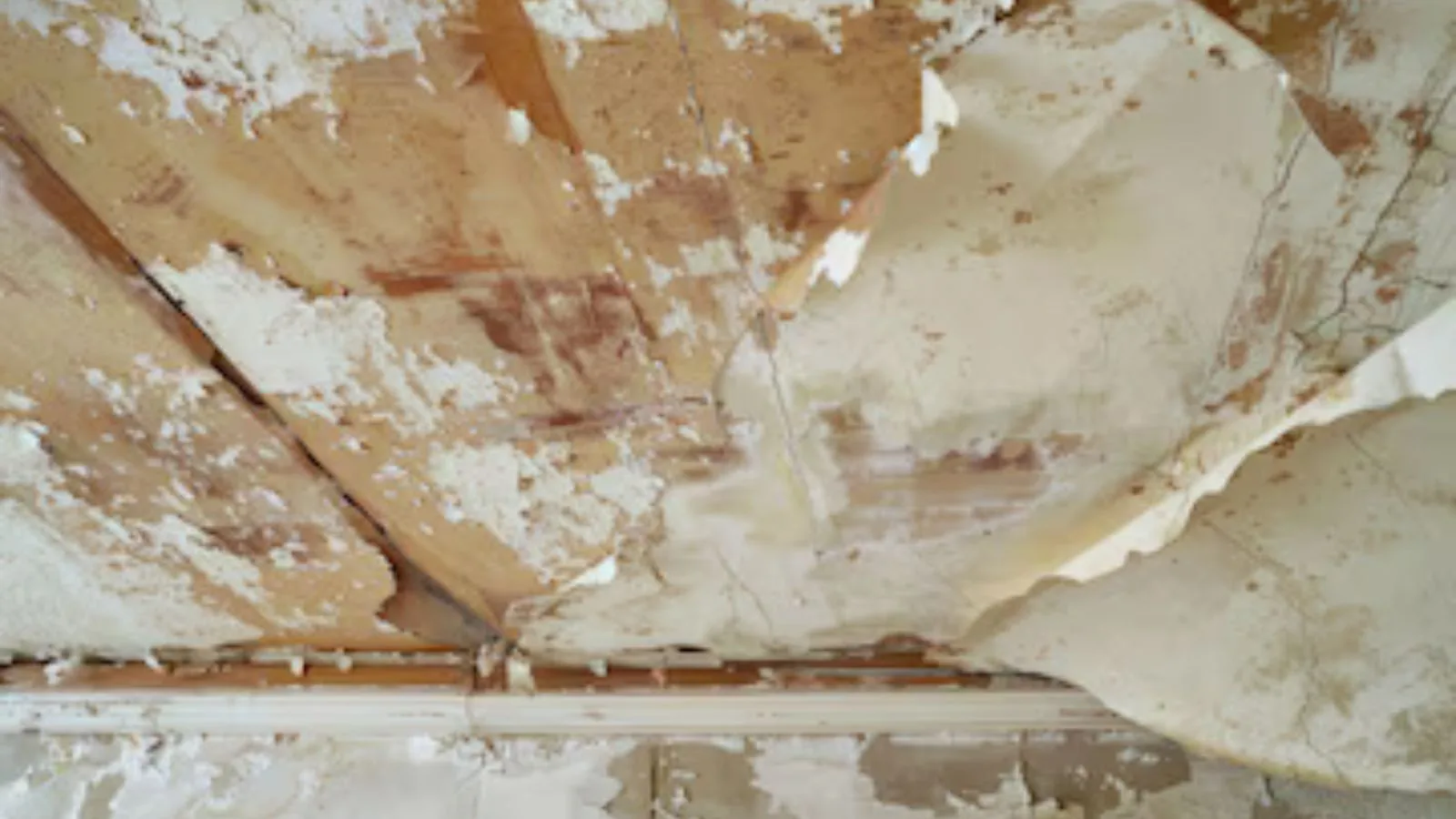
A water damage claim is easier when you know the order of operations. Most trouble comes from steps taken out of sequence: repairs started before photos, contents thrown out before a list existed, or a report filed so late that questions arise.
This guide walks through the claim from the first hour to the final paperwork. It is general background from a restoration company, not insurance or legal advice, and your policy and your insurer set the actual rules.
Hour one: stop the damage and keep yourself safe
The first job is safety. Water near outlets, cords, or a panel is dangerous, and you should not wade into it. If you can reach the shut-off safely, close it. If you cannot, call your utility or 911. Then call a restoration company, because most policies expect the homeowner to take reasonable steps to prevent further loss. Our water extraction page explains what the first crew visit involves.
Day one: document before you move things
Photographs are the backbone of a claim. Take them before anything is moved, and again as work proceeds.
Wide shots
Each affected room from the doorway, showing the waterline and what is standing in the water.
Close-ups
Stains, swelling, damaged materials, and the failed pipe, hose, or appliance.
Serial numbers and labels
The model and serial plate on a water heater, washer, or dishwasher that failed.
Video walkthrough
A slow pass through each room while you describe what you see and when you noticed it.
Write down the time you found the water, what you did, and who you called. A short log written that day is worth more than memory a month later.
Day one: report the loss
Call your insurer or agent and report the loss. Ask these questions and write down the answers.
- What is my claim number, and who is my adjuster?
- Does the policy cover this source of water?
- What do you want me to do before an adjuster visits?
- Do I need to use a particular vendor, or can I pick one?
- What documentation do you want from the restoration company?
Do not guess at coverage on the phone. If you are unsure, ask for the policy language in writing.
The first week: mitigation and records
Mitigation means stopping the damage from getting worse. In practice it is extraction, removal of materials that cannot be saved, and drying. See structural drying for how readings are taken and logged. Ask the crew to provide:
| Record | Why it matters |
|---|---|
| --- | --- |
| Photos before, during, and after | Show conditions and what was removed |
| Moisture readings by day | Show drying progress and when equipment came out |
| List of removed materials | Supports the scope of the claim |
| Equipment log | Shows what ran and for how long |
| Water category notes | Explains why some materials were discarded |
Keep every receipt, including the plumber's invoice, hotel costs if you had to leave, and supplies you bought.
Contents list
Make a room-by-room list of damaged belongings. Include a short description, approximate age, and value, and attach photos. Do not discard items until the adjuster has seen them or you have clear photos and your insurer has agreed. Sewage-contaminated items are a special case, and your crew will explain what is safe to keep. See sewage backup cleanup.
Meeting the adjuster
An adjuster inspects the damage and estimates what the policy pays. Have your photos, log, plumber's invoice, and the restoration records ready. Walk through each room and point out the source. If you disagree with an estimate, ask what it covers and what it leaves out. You can ask for the reasoning in writing.
Repairs and rebuild
Rebuilding is construction, and it usually follows drying. The Village of Deerfield publishes building permit applications on its website, and its offices can tell you whether a repair at your address requires a permit. Ask your contractor and the village before work begins. Keep the contract, the invoices, and the permit paperwork together.
When the claim is denied or limited
If your insurer denies or limits a claim, ask for the reason in writing, and read the policy section it cites. The Illinois Department of Insurance accepts consumer complaints, and a licensed attorney or public adjuster can advise on disputes. We cannot advise on that.
Mistakes to avoid
- Starting repairs before the insurer has seen the damage.
- Discarding the failed part or damaged contents without photos.
- Delaying the report for days.
- Assuming coverage without checking the policy.
- Skipping drying logs, which are often what show the damage was handled promptly.
How we help
We handle extraction, removal, and drying, and we share the records above with you and your insurer. We do not decide coverage. If you are unsure about the first steps, call and describe the water. We serve Deerfield and nearby towns, including Highwood and Fort Sheridan.
Local offices that help with the paperwork
Deerfield's Public Works Department can be reached at 847-317-7245, and the Engineering Division at 847-317-2490, for questions about public drainage, sewer lines, and street flooding. Village Hall is at 847-945-5000, and the Village publishes building permit applications on its website.
If the water entered your home from a public line or from street flooding, those offices can tell you what the village knows about conditions near your address. Keep a note of who you spoke to and when, and add it to your claim log.
A note on standards
Drying logs and moisture readings that insurers ask for are produced under ANSI/IICRC S500, the published standard for professional water damage restoration.
Starting a claim? Call and ask what records the crew will provide.
☎ (833) 521-1033As soon as it is safe. Delays can raise questions about whether the damage grew.
Many policies allow it, but ask your insurer. Some insurers recommend vendors, and you can ask whether using one is required.
The Village of Deerfield. Its website has permit applications, and Village Hall is at 847-945-5000.
Frequently asked questions
How soon should I report water damage to my insurer?
Can I choose my own restoration company in Deerfield?
Who do I call about a permit for rebuilding?
What if the water came from a village sewer line?
Call Public Works at 847-317-7245 and report it, then tell your insurer what they said.
Water damage in Deerfield? Call (833) 521-1033, answered 24/7.
☎ (833) 521-1033