
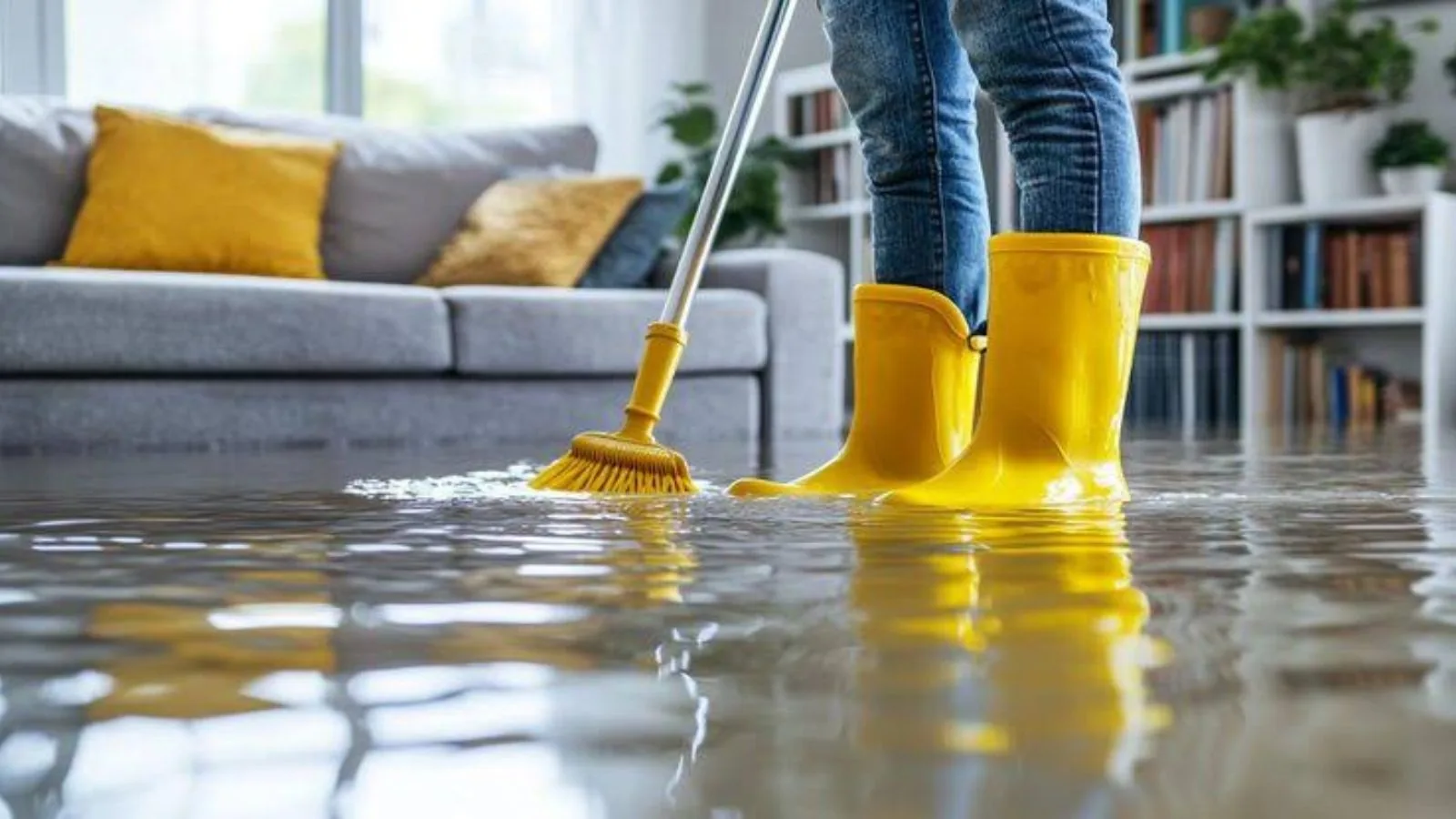
If you have searched for help after a leak, you have seen three words used almost interchangeably: restoration, mitigation, and remediation. They are not identical, and which one a company uses can hint at what it does. This guide explains the common meanings in plain language. Usage varies across companies and policies, so always ask what a specific quote covers.
The short answers
| Term | Common meaning | Typical work |
|---|---|---|
| --- | --- | --- |
| Mitigation | Stopping the damage from getting worse | Extraction, removal of wet materials, drying |
| Restoration | Returning the property to its pre-loss condition | Mitigation plus repairs and rebuild, depending on the company |
| Remediation | Removing a contaminant or hazard | Mold removal, sewage cleanup, containment, cleaning, verification |
In water damage, mitigation usually comes first, and restoration is the larger goal. Remediation is the word most often used for mold and contamination.
Water damage restoration
Companies that say water damage restoration usually mean the full process: find the water, remove it, dry the structure, and put the home back in order. Some companies do the rebuild themselves, and others stop at drying and hand off repairs to a contractor. Always ask where the work ends. See water extraction and structural drying for the core steps.
Water damage mitigation
Mitigation is the work that limits damage: extraction, removal of materials that cannot be saved, and drying. Insurers often use this term, because policies expect homeowners to take reasonable steps to prevent more loss. It is also the work that is time sensitive. A mitigation crew should start quickly, and the repair phase can follow later.
Mold remediation
Remediation means removing or reducing a contaminant to an acceptable level. In mold work, that includes assessment, containment, removal of affected materials, cleaning, drying, and verification. See mold remediation, which follows ANSI/IICRC S520. The word also appears in sewage work, where the focus is on disinfection and safe removal. See sewage backup cleanup.
A quick example
Imagine a washing machine hose splits on a Saturday. A crew pumps the water, cuts out the wet bottom of the drywall, and sets air movers and a dehumidifier. That is mitigation, and it is also the main body of restoration.
If, two weeks later, a wall that was missed grows mold, a separate remediation scope comes in, with containment and removal. The earlier the first stage is done well, the less likely the second is needed.
Which do you need
A fresh leak or flood
You need mitigation first, which is extraction and drying. Restoration follows.
Mold that followed water damage
You may need both. Dry the moisture, then remediate the growth.
Sewage or flood water
Remediation language is often used because of contamination and disinfection.
A musty smell with no visible damage
Start with an assessment of moisture.
Why the words matter for insurance
Policies and adjusters use these terms in different ways. Ask your insurer which parts of the work are covered and what each is called. A scope that says mitigation, restoration, and remediation separately helps you see what each line is for. Keep the written scope with your claim.
Questions to ask a company
- Does your scope include rebuild, or does it stop at drying?
- What standard do you follow for water, and for mold?
- How will you verify that the work is complete?
- What will I receive in writing?
What we do
We handle extraction, removal, drying, and mold remediation that follows water damage. Rebuild of drywall, flooring, and trim is construction work that a contractor handles. We explain scope and price before work starts. See our full list of services for the rest.
The sequence
- Stop the sourceA plumber or roofer fixes it.
- MitigateRemove water and wet materials, and dry the structure.
- Remediate if neededAddress mold or contamination.
- VerifyReadings and a visual check confirm the work.
- RebuildA contractor replaces materials, and permits apply where required.
Common confusion
Some people think restoration means everything, including cabinets and paint. Others think remediation means only mold. Neither is universal, and the safest approach is to ask for a written scope that lists the work in plain terms.
Nearby towns
We work in Deerfield and nearby towns, including Highwood and Lake Forest.
The Illinois term is remediation
Illinois has a Mold Remediation Registration Act administered by the Illinois Department of Public Health, and the name shows that the state uses remediation for mold work.
The practical advice for a Deerfield homeowner is to ask any company that offers mold remediation what registration or certification applies to the work and to check the state agency for current rules. Water mitigation, by contrast, is the first step and does not by itself involve mold. Knowing which word applies to which job helps you read a quote.
Safety checklist
- Stay out of water near outlets.
- Wear gloves and a mask around visible growth.
- Keep children and pets away from affected rooms.
- Ask any company which standard it follows.
Water or mold in your home? Call and describe it, and we will explain which steps apply.
☎ (833) 521-1033Mitigation is the first part, limiting damage by removing water and drying. Restoration is the larger goal of returning the property to its prior condition.
Most often, yes, but it is also used for sewage and other contamination.
A water damage company, for extraction and drying. If mold is present, ask about remediation as well.
Frequently asked questions
Is water damage restoration the same as mitigation?
Does remediation only mean mold?
Which should I call for a flooded basement in Deerfield?
Who does the rebuild?
Usually a general contractor. Ask any company where its scope ends.
Water or mold problem in Deerfield? Call (833) 521-1033, answered 24/7.
☎ (833) 521-1033